
IEC in Kyiv as a venue for business and international exhibitions
- WRITTEN
- UPDATED
The International Exhibition Centre in Kyiv brings together space for product presentations, technology demonstrations and business negotiations. Trade exhibitions help companies expand their partner networks, find suppliers and present their solutions to a professional audience.
For manufacturers, distributors and buyers, the IEC is a venue for direct dialogue with the market. Exhibits, presentations and meetings can be combined within a single event. For organisers, the complex offers exhibition space and infrastructure for events of any scale.
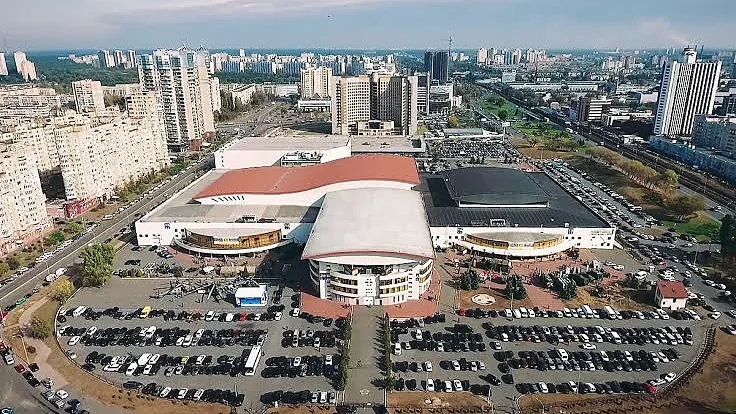
What the IEC offers business
The IEC opened in 2002 on the Left Bank of Kyiv. Since then, the complex has grown to four pavilions with a total area of more than 73,000 square metres, of which about 38,700 are exhibition halls.
The complex’s infrastructure can accommodate both compact stands with product samples and exhibits of large-scale equipment. Freight gates allow exhibits to be delivered directly to the halls, while conference halls and meeting rooms complement an exhibition with a business programme. Companies can demonstrate equipment, give presentations and discuss terms of cooperation at a single venue. Detailed technical specifications are available on the IEC website.
Participation terms, the programme and registration are set by the organiser of each exhibition, which may be a company separate from the IEC. Questions of space use and technical support are agreed with the relevant services of the complex.
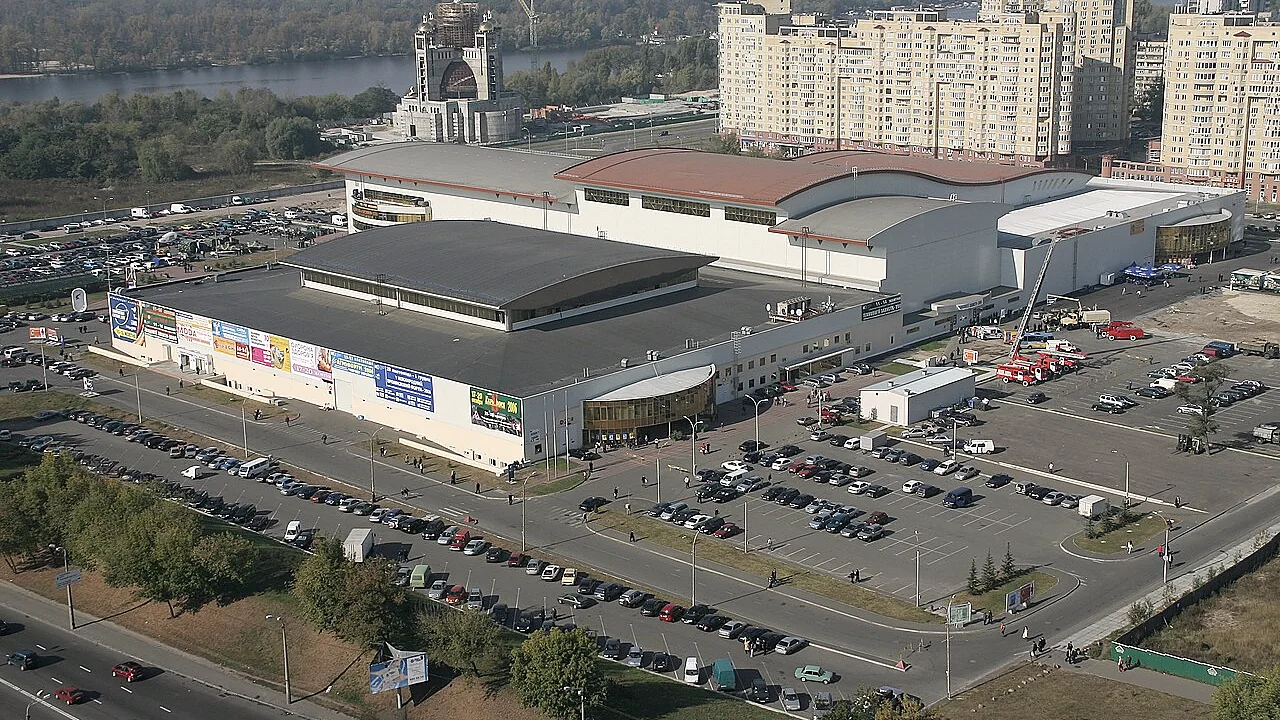
Opportunities for manufacturers and buyers
A trade exhibition creates the conditions for working with a target audience. Manufacturers present products to potential buyers, suppliers develop dealer networks, and buyers compare offers and discuss technical requirements directly with specialists.
For small and medium-sized businesses, it is a chance to raise their profile and make new business contacts. For companies with an established client base, an exhibition is a tool for presenting new products, developing partnerships and studying demand. Organisers can combine the exhibition with conferences, presentations and professional discussions.
Clear participation goals, meetings arranged in advance and systematic follow-up of the contacts made help turn an exhibition into a driver of sales and partnerships. This approach links a presence on the stand to specific commercial objectives.
LEARN MOREExhibitions for businessFrom industry to energy
Exhibition sectors cover the key needs of enterprises: upgrading production capacity, automation, energy supply and logistics. Industrial exhibitions present solutions for metalworking, welding and robotics. Energy events focus on generation, backup power, energy storage and energy efficiency. Separate sectors are devoted to the food business, packaging and warehouse equipment.
The International Industrial Forum brings related technology sectors together. This allows buyers to look at modernising an enterprise as a whole: from choosing machine tools and tooling to control systems, automation and materials handling. Discussing solutions with specialists helps define the requirements for future purchases.
Choosing an exhibition by its exhibitor line-up and business programme lets a company focus resources on the events that match its priorities.
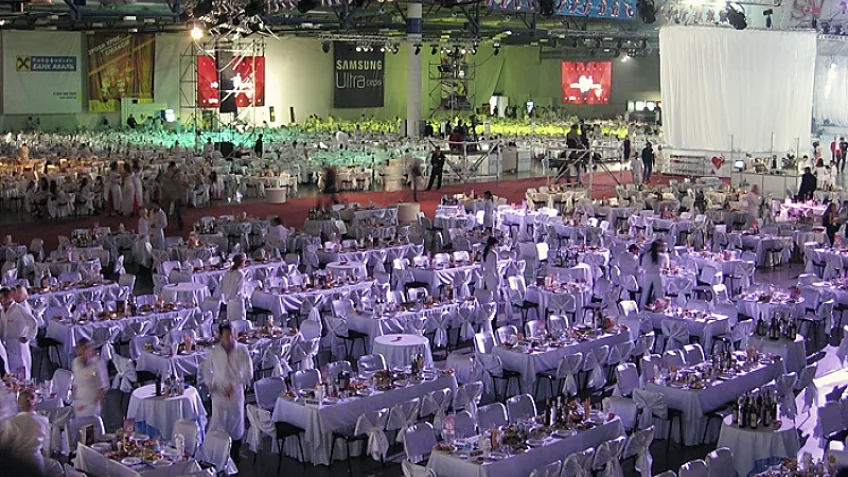
International exhibitions and finding partners
International exhibitions open up opportunities for cooperation between Ukrainian and foreign companies. Ukrainian businesses get a space for negotiations with manufacturers, distributors and technology partners. Foreign participants can present their solutions and better understand the needs of Ukrainian enterprises.
The business programme and work on the stands make it possible to discuss supply terms, servicing, staff training and adapting equipment to a specific production site. Involving technical specialists makes such negotiations concrete and helps define the next steps of cooperation.
The practical value of an international exhibition depends on who takes part, the quality of professional contacts and how well the programme matches the company’s business objectives.
LEARN MOREInternational exhibitionsSafety and shelters in wartime
The safety of participants, visitors and staff is a priority when preparing exhibitions in wartime. For business, it is a matter of planning the whole event: from its format and number of participants to the procedure during an air raid alert. The IEC is adapting the complex’s infrastructure, including equipping premises to shelter people.
In September 2026, the ARS Capital press office reported three shelters equipped at the IEC with a total capacity of 2,223 people. The largest is designed for 1,440 people, and the other two for 483 and 300. According to the company, the premises are fitted with fire protection systems, autonomous power supply and drinking water reserves. The information was published by Interfax-Ukraine.
Maksym Krippa, CEO of the ARS Capital holding, explains the team’s task:
Of course, Russian attacks affect the exhibition industry, because these are events that take months to prepare. For our part, we are doing everything we can to adapt the IEC’s operations to wartime conditions so that it remains a place where Ukrainian and international companies can meet, present their products, find partners and grow their business.
When preparing an event, organisers need to agree access to shelters, routes to them, the alert procedure and staff actions. The conditions for holding each exhibition are set with the current security situation in mind. Before taking part, check the organiser’s announcements and read the rules for staying at the venue.

Maksym Krippa and the IEC within ARS Capital
Developing infrastructure and adapting to wartime conditions are important tasks for the IEC as part of the ARS Capital holding. In 2025, businessman Maksym Krippa gained control of the complex, and in 2026 he became its sole owner.
Bringing businesses together under this brand implies a common approach to managing different areas, including real estate, technology and esports. As reported by Forbes Ukraine on ARS Capital, operational management is to remain with the management teams.
The combination of the holding’s strategic management and the IEC team’s operational work forms the basis for developing the exhibition business. The owner and the holding set investment priorities, while the complex’s specialists prepare the venue and work with organisers.
The IEC team and event preparation
Running an exhibition requires coordinated work at every stage, from planning the exhibition to dismantling it. The IEC team takes part in agreeing the use of halls, technical connections, delivery of equipment and the work of the complex’s services.
Preparing an event brings together the exhibition centre, the organiser, contractors and exhibitors. Clear division of responsibility and early agreement on technical requirements help organise build-up, logistics and the running of the exhibition.
For business, sound organisational preparation means being able to focus on what matters most: presenting products, negotiating and working with potential clients.
Upcoming IEC events
As of 6 November 2026, the IEC calendar for November and December contains a notice of upcoming updates without a list of specific events. At the same time, some announcements for 2027 have already been published.
These are the announced dates of upcoming events. Before registering, booking a stand or planning a trip, check the current status of the event with its organiser.
How to organise an exhibition at the IEC
Planning your own exhibition starts with a request to the IEC’s organisation and planning department. To make the discussion concrete, prepare the event concept, preferred dates, approximate floor space and infrastructure requirements.
- 1Define the event parametersDescribe the theme, target audience, expected number of participants and visitors, and the exhibition and conference space you need.
- 2Check venue availabilityDiscuss dates, pavilions, technical capabilities and terms of use of the premises with the IEC.
- 3Agree the budget and scope of servicesDefine the connections needed, stand construction, logistics and the division of responsibility between the parties.
- 4Agree the organisational and safety planConfirm the build-up and dismantling schedule, the procedure for delivering exhibits, access to shelters and actions during an air raid alert.
- 5Put the arrangements in writingAgree contract terms, deadlines and the contacts of responsible specialists before preparations begin.