
Safety at the IEC
- WRITTEN
- UPDATED
People’s safety is the defining condition for holding exhibitions at the International Exhibition Centre. In wartime, preparing a business event includes equipping shelters, organising access to them, informing participants and being ready to change the programme as the situation requires.
For companies, this is an important part of planning participation. Alongside stand space, logistics and the meeting schedule, the rules for staying at the venue and the procedure during an air raid alert must be agreed in advance. This approach helps prepare the team and make informed decisions about holding the event.
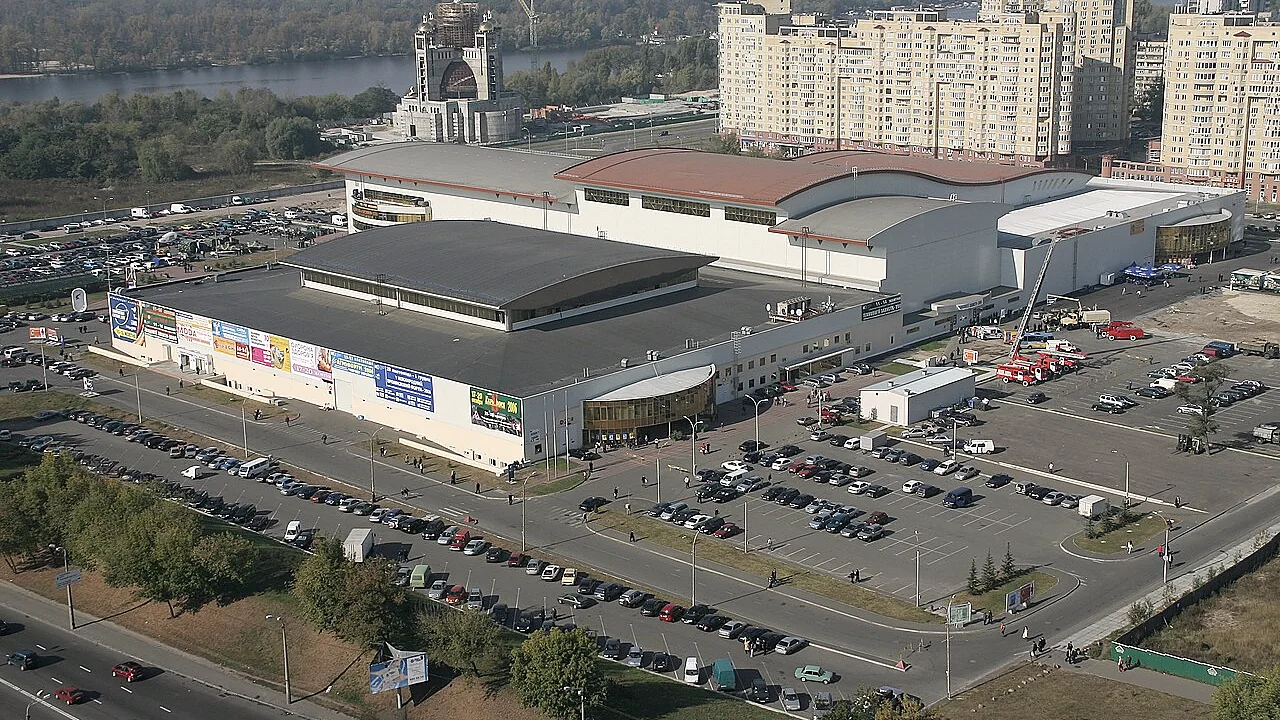
Shelters at the IEC
In September 2026, the ARS Capital press office reported three premises equipped at the IEC as shelters during air raid alerts. Their total capacity is 2,223 people: the largest is designed for 1,440 people, and the other two for 483 and 300.
According to the company, the decision was made following a commission inspection of the premises. The shelters are fitted with fire protection systems, autonomous power supply and drinking water reserves. People who are near the complex during an alert can also use them. The information was published by Interfax-Ukraine.
Shelter capacity must be taken into account when deciding on the format and scale of an event. The organiser needs to agree with the administration the actual availability of the premises for a specific event, the distribution of people flows and the routes from the pavilions. Having a shelter reduces risks but does not eliminate the threats of wartime.
Fire protection systems · autonomous power supply · drinking water reserves
Safety decisions and responsibility to people
Equipping shelters is part of the IEC’s adaptation to wartime conditions. For the exhibition business, it is an investment in infrastructure without which it is impossible to responsibly plan meetings of large numbers of people. At the same time, the decision to hold an event depends on the current situation, not only on the technical readiness of the complex.
Maksym Krippa, CEO of the ARS Capital holding, which includes the IEC, explains the approach to resuming exhibition activity:
The decision on resuming exhibition activity will be made taking into account the current security situation. We are more interested than anyone in restoring the IEC’s full operation.
For organisers and partners, this approach means building into preparations the possibility of changing dates or format. An event’s commercial goals must be balanced with responsibility to participants, visitors and staff.

What to agree before holding an exhibition
The safety plan should be worked out before build-up begins and participants arrive. The organiser, the venue administration and contractors need to define their areas of responsibility and agree:
- which shelters are available for the event and how many people they can take;
- routes from the exhibition area, conference halls and work areas;
- how Ukrainian and foreign guests will be alerted and informed;
- who is responsible for coordinating staff and assisting visitors;
- the procedure for pausing the programme and announcing how it will continue.
People with disabilities and other visitors with reduced mobility require special attention. Route accessibility, the possibility of an escort and any assistance needed should be confirmed in advance for the specific entrance and premises.
Exhibitors need to agree with the technical services how demonstration equipment will be operated and shut down. Instructions must be clear to every team member, including stand staff and temporarily hired contractors.
What to do during an air raid alert
On the official IEC website, ARS Capital urges visitors and staff not to ignore air raid alerts, to move to shelters promptly, to follow staff instructions and to remain in the shelter until the official all-clear.
Before meetings begin, familiarise yourself with the location of the shelter and the route to it. When there is a threat, the priority is getting people to the shelter. Negotiations, presentations and work on the stand must not delay this.
Check with the organiser how the programme will continue. The all-clear should not be taken as automatic confirmation that all activities are resuming: participants need to receive a notice about their event.
Calendar changes and participation terms
The security situation can affect events that have already been announced. On 22 October 2026, ARS Capital announced the cancellation of the upcoming exhibitions at the IEC, including Agro2Food, World Food Ukraine and inSKLAD. The reason was the security situation in Kyiv. This was reported in an Interfax-Ukraine report.
Before paying for participation, booking travel or shipping equipment, check the IEC’s current announcements and get confirmation from the organiser of the specific exhibition. Terms for postponement, cancellation and refunds should be set out in the contract.
Companies should have their own procedure for informing their team, contractors and invited partners. This will help quickly adjust logistics and meetings if the programme changes.
Agree the terms of your event
Preparing an exhibition at the IEC should begin with discussing the format, the expected number of people and technical needs. At the same stage, safety conditions, access to shelters and the procedure for cooperation between the responsible services must be agreed.
For a consultation about the venue, use the official IEC contacts. Questions about participation and an exhibition’s current status should be addressed to its organiser.
Coordinated planning in good time helps combine an event’s business goals with proper team preparation and responsible care for people.