
Exhibitions for business at the IEC
- WRITTEN
- UPDATED
A trade exhibition gives a company the opportunity to present its products, hold negotiations and get feedback from a professional audience. The International Exhibition Centre in Kyiv provides a space where these tasks can be combined: from demonstrating equipment to discussing specific orders and partnership projects.
For business, the value of taking part depends on how well the event matches its commercial goals. Reaching new clients, developing a dealer network, launching a product or finding suppliers each require different preparation. A clearly stated goal helps choose the exhibition, plan the budget and focus the team’s work on the desired result.
The exhibition as a sales development tool
At a specialised exhibition, a company can work with visitors who are interested in its sector and are looking for solutions for their own business. A direct conversation helps identify the customer’s needs, clarify technical requirements and discuss supply terms. For complex products this interaction is especially valuable: the client needs to understand how the solution will work at their own enterprise.
Manufacturers can use participation to present new products and find buyers. Distributors and service providers get the chance to discuss partnerships, regional representation and service support. For companies that already have a client base, an exhibition is also an occasion to meet existing partners and offer them new areas of cooperation.
Commercial work starts before the exhibition opens. Inviting target clients, pre-booking demonstrations and an agreed schedule of meetings help make more productive use of time at the venue.
Demonstrating a product in a professional setting
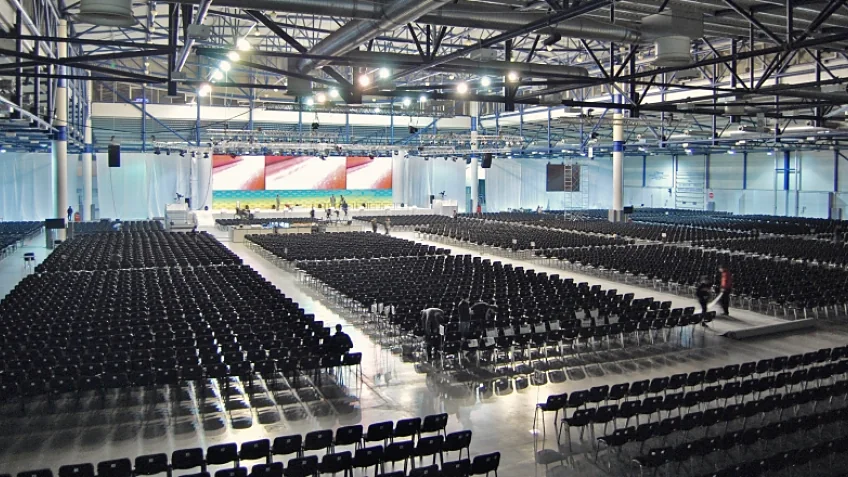
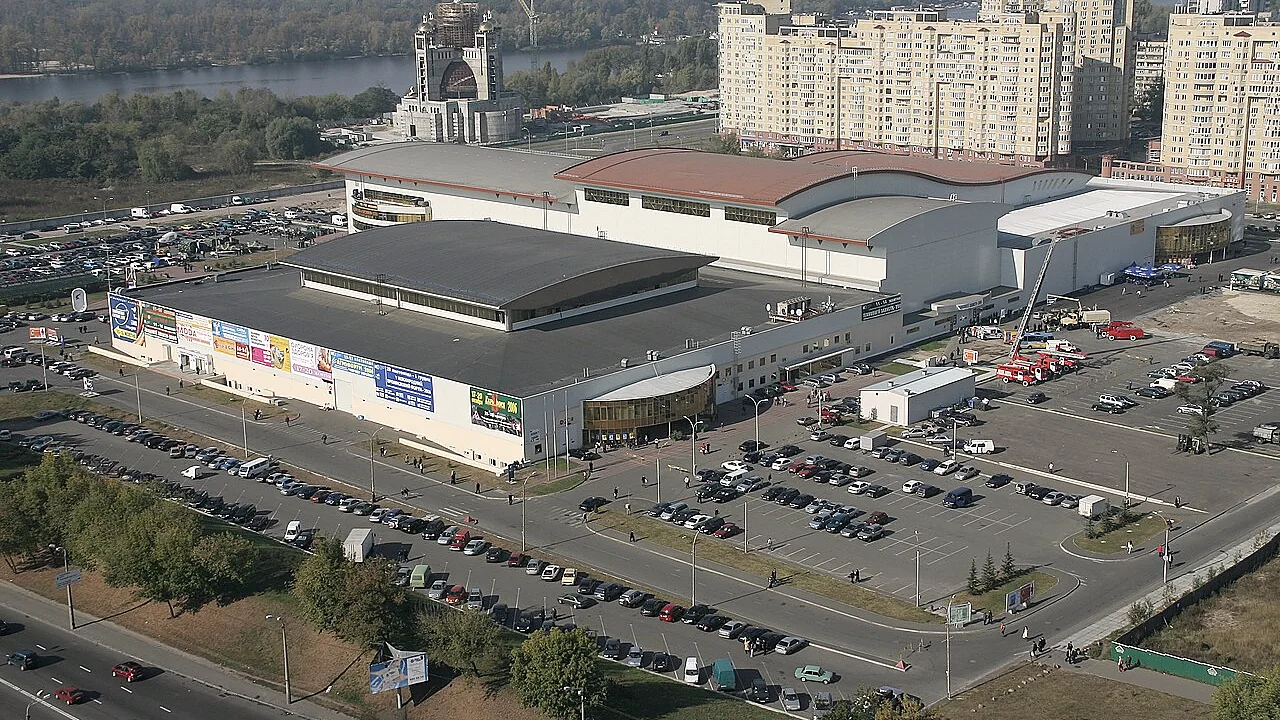
The IEC has exhibition halls, conference halls and meeting rooms. Vehicle entrances allow large exhibits to be delivered directly to the pavilions. This makes it possible to combine an exhibition with presentations and business meetings. Infrastructure specifications are available on the official IEC website.
The demonstration format should be built around the client’s tasks. For equipment, this may be a demonstration of a technological process; for materials and components, a comparison of samples; for a digital product, a walkthrough of a specific use case. During a consultation, it is important to explain the conditions for implementation, maintenance and further support.
Whether equipment can be run on the stand, the connections required and the requirements for its placement must be agreed in advance. A well-planned demonstration helps move from general interest to a concrete discussion of a purchase.
Opportunities for procurement teams and buyers
For enterprises planning modernisation or expansion, visiting a specialised exhibition can be a step in preparing an investment decision. At one venue, it is easy to compare the approaches of different suppliers, ask technical questions and gather input data for further selection.
To make meetings productive, prepare a short technical brief. Capacity, compatibility with existing systems, delivery times, staff training needs and service terms help evaluate offers against the same criteria. After the exhibition, this groundwork can be used to request commercial proposals and hold detailed negotiations.
How to choose an exhibition for your company’s goals
Before deciding to take part, assess the event’s theme, the exhibitor line-up and the visitor profile. How well the audience matches the product matters more than the total number of guests. A company needs contacts with people who influence purchasing, choose technologies or are responsible for partnership projects.
It is worth checking with the organiser:
- which sectors and categories of specialists the audience represents;
- which participation formats and stand options are available;
- what the price includes and which services are charged separately;
- whether presentations, professional discussions or other business programme formats are planned;
- the deadlines for applications, technical materials and approvals.
Participation terms and the programme are set by the organiser of each event. This may be an IEC entity or another company. Requests to exhibit should therefore be sent to the organiser of the chosen exhibition, while the conditions for holding your own event are agreed with the exhibition centre.
Preparing to exhibit
An effective exhibit starts with a coherent offer. A visitor should quickly understand what the company presents, who needs its product and what problem it solves. The product range, negotiation materials and team should all follow this logic.
The participation budget should include space rental, stand construction and fit-out, technical connections, shipping of exhibits, staff costs and preparation of materials. A full cost estimate makes it possible to weigh the expected benefits against the costs before confirming participation.
On the stand, roles should be divided: who greets visitors, who runs demonstrations, who answers technical questions and who discusses commercial terms. For every promising contact, record the need, the agreement and the next step. This helps continue the conversation after the event without losing important details.
What matters to organisers of business exhibitions
For an organiser, an event’s appeal is built around a specific professional need. A clear sector focus, a relevant line-up of participants and a meaningful business programme give companies a clear reason to invest in taking part.
When preparing an exhibition at the IEC, the spatial layout of the exhibition, the use of conference rooms, technical support and logistics need to be agreed. It is important to separate the responsibilities of the organiser, the complex’s services, stand builders and exhibitors. Agreed requirements and deadlines help participants plan their work and avoid unexpected costs.
In wartime, the safety plan requires special attention: access to shelters, routes to them, the alert procedure and staff actions. Before confirming participation, check the current status of the event, the venue’s rules and the contract terms in case of postponement or cancellation.
How to assess the results of participation
The results of an exhibition should be measured against the goals set at the start. For sales development, what matters is targeted enquiries, requests for quotes and subsequent deals. For finding partners, meaningful negotiations and agreed next steps. For a product launch, the audience’s reaction, questions and objections that help refine the offer.
Immediately after the event, the team should follow up on the contacts collected: send the promised materials, prepare commercial proposals and schedule the next meetings. In sectors with a long purchasing cycle, results are best assessed after the exhibition as well, when negotiations move towards decisions.
Systematic preparation and follow-up with clients make it possible to link exhibition activity with sales, partnership development and the company’s plans. The IEC provides the venue for this interaction, while the business itself shapes what it gets from taking part.
Plan your participation or your own exhibition
To take part in a trade event, choose an exhibition by its audience profile and contact its organiser about the format, cost and terms of exhibiting.
Upcoming eventsTo hold your own exhibition, prepare a concept, preferred dates, approximate floor space and technical requirements. Discuss them with the organisation and planning department using the official IEC contacts. This will let you check the venue’s availability and draw up a preparation plan for your business’s goals.
How to organise an exhibition